
Best VPN for Streaming in Pakistan (2026): What Actually Works and What Doesn't
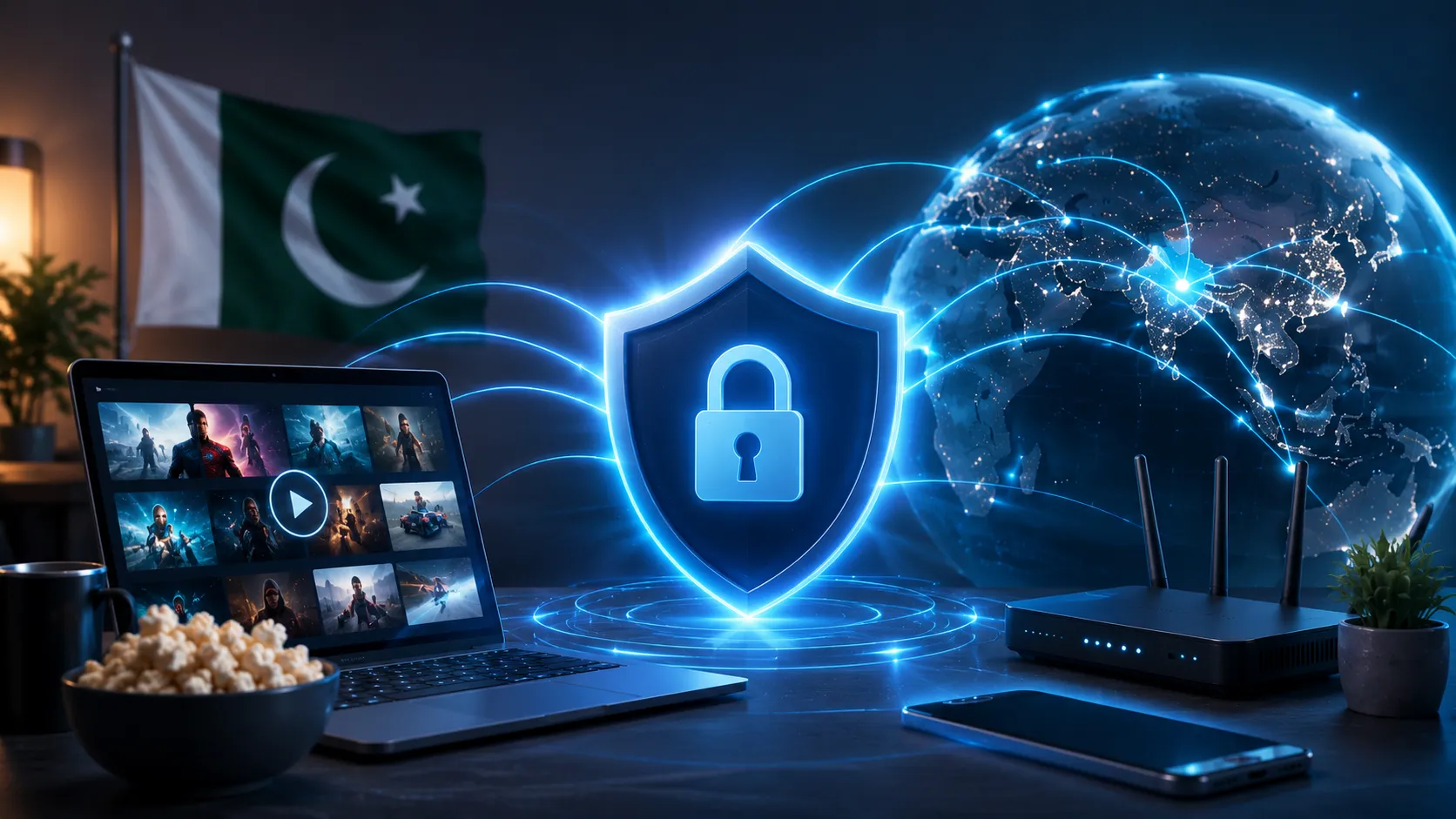
If you've searched for "best VPN for Pakistan" before, you've probably noticed most of the results are generic listicles written for an American or European reader. They talk about Netflix libraries you can't easily pay for and pricing in dollars that doesn't map to anything in PKR. This guide is written specifically for someone in Pakistan trying to solve a real problem: slow streaming, blocked content, or wanting more privacy on a shared or public connection.
Why a VPN Matters More in Pakistan Than People Realize
Internet infrastructure in Pakistan has a few quirks that make a VPN more useful here than in most countries. ISPs regularly throttle streaming traffic during peak hours, especially in the evening. Certain content is blocked outright based on your IP address, and some platforms detect that you're connecting from Pakistan and either restrict your account or refuse to let international payment methods process at all.
A good VPN fixes some of this by routing your connection through a server in another country, which changes your apparent location and, in a lot of cases, avoids the throttling entirely because the traffic looks different to your ISP.
What to Actually Check Before Buying One
Most VPN comparisons focus on marketing claims. Here's what actually matters day to day.
Real-World Speed, Not Advertised Speed
Every VPN claims to be "blazing fast." What matters is how much speed you lose after encryption on a typical Pakistani broadband or 4G connection, which is usually already on the slower side. A VPN that loses 60% of your speed is unusable for HD streaming, even if it works fine for browsing.
Server Count and Location Variety
You don't need 5,000 servers. You need reliable ones in the US, UK, and a couple of other regions, with enough capacity that servers aren't overloaded during peak hours (which is when most Pakistani users are actually online).
Simultaneous Connections
Most households share one subscription across a phone, a laptop, and a smart TV. If a plan only allows one device, you'll be paying for three plans without realizing it.
No-Log Policy, Verified
Almost every VPN says "we don't log your activity." Fewer have actually had this claim independently audited. This matters more if you're using the VPN for anything beyond streaming.
Payment Method
This is the part most global VPN reviews completely ignore. Paying directly with a Pakistani card often fails or gets flagged the same way it does for Netflix or ChatGPT Plus. This is usually the actual reason people end up buying through a local reseller instead of the provider's own site — not price, but simply getting the payment to go through.
Comparing the Main Options Available to Pakistani Users
NordVPN
Consistently one of the more reliable options for streaming, with good speeds even on longer-distance server connections. Threat protection and malware blocking are useful extras if you're using shared or public Wi-Fi often, which is common on university campuses and in shared offices.
ExpressVPN
Slightly more expensive but tends to have the most consistent speeds across different times of day, which matters if you're streaming in the evening when everyone else's connection slows down too. A solid choice if you specifically want to unblock international streaming libraries reliably.
Surfshark
The best value option if budget is the main concern, and one of the few that allows unlimited simultaneous device connections instead of a fixed number, which is genuinely useful for a family plan.
HMA VPN
A more budget-friendly, longer-term option, particularly on multi-year plans. Server count is smaller than the three above, but for straightforward streaming and general privacy use, it covers the basics without the higher yearly cost.
Common Mistakes People Make
A few patterns come up again and again with first-time VPN buyers in Pakistan:
- Buying the cheapest available plan without checking if it supports the specific streaming service they actually want to use — not every VPN works reliably with every platform.
- Assuming a free VPN is "good enough." Free VPNs typically log and sell browsing data, which defeats the point of using one for privacy, and are usually the first ones blocked by streaming platforms.
- Not checking whether the plan is a shared account managed by a reseller or a private, individually owned subscription — this affects how much control you have over settings and renewal.
- Ignoring the refund or replacement policy. VPN servers do occasionally get blacklisted by streaming platforms, and a legitimate seller will have a clear process for swapping you to a working server or account.
Is Using a VPN Legal in Pakistan?
This comes up in almost every conversation about VPNs, so it's worth addressing directly rather than skipping past it. VPN use for personal, everyday purposes such as streaming and privacy is common practice in Pakistan and not something that leads to consequences for ordinary users. That said, VPN regulation in Pakistan has shifted over the past few years, and businesses in particular are expected to register VPN usage. This isn't legal advice, and if you're using a VPN in a professional or organizational context, it's worth checking current PTA guidance directly rather than relying on a blog post.
Getting Set Up Without the Usual Payment Headache
Once you've picked a VPN, the actual setup takes a few minutes: install the app, log in, choose a server location close to the content you want, and connect. The part that usually causes delays is payment — international VPN providers often don't accept JazzCash or EasyPaisa directly, which is exactly why most Pakistani users end up buying through a local reseller who's already paid for the subscription upstream and can hand over working login details in PKR, without the card-decline problem.
If that's the route you'd rather take, we carry a few VPN options priced in rupees, including a longer-term HMA VPN plan if you want to lock in a lower monthly cost upfront. If you've run into the same card-decline issue with other subscriptions like Netflix or ChatGPT Plus, we've written about that separately here, since it's the same underlying payment problem across almost every international service.
The Bottom Line
There's no single "best" VPN for everyone — it depends on whether you care most about speed, price, or the number of devices you need covered. But for most people in Pakistan trying to stream reliably without dealing with card declines, the combination of a proven provider and a straightforward local payment option matters more than chasing the VPN with the most servers on paper.